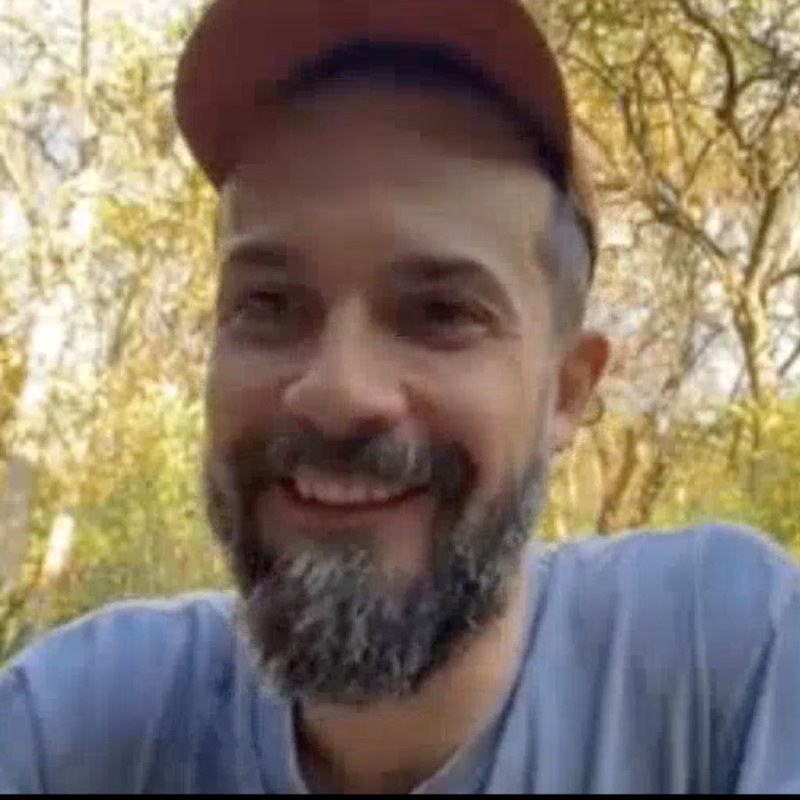
Billy Otten is a PCA pastor and carpenter in Cincinnati. After a rift with his church over COVID and being let go in 2021, he took a carpentry apprenticeship and started a business. A conversation about the $160,000 kitchen that made him $0, small jobs, paying his kids their age per hour, and why there's no such thing as passive income.
Listen Now
About This Episode
Billy Otten never planned to be a carpenter or a business owner. He became a Christian at 17, went into ministry, and was ordained in the PCA in 2019, right before COVID hit. In 2020 a rift opened between Billy and the church he served over how COVID was handled: "we were very disappointed with the way that our church handled COVID." In 2021 he and his wife pitched the idea of planting a church, and within two weeks he was let go.
Billy and his wife decided to stay in Cincinnati rather than take a job somewhere else. To pay the bills while the presbytery moved slowly, he took a carpentry apprenticeship at $21 an hour, in his mid-30s, with four kids at home and no construction background. Five years later the business he started is a significant part of his family's income, he is pastoring the church plant, and his Instagram, Howling Wolf Carpentry, has about 53,000 followers.
Nathan and Billy talk about what he's learned the expensive way: a $160,000 kitchen remodel that made him exactly $0, and why he now sticks to small jobs of two to three weeks. They get into paying kids their age per hour on the job site, why Billy would "rather have sons than employees," why there's no such thing as passive income, and why the Reformed world needs more bivocational pastors and more believers who own small businesses.
In this episode:
- A rift with his church over COVID, and being let go in 2021 two weeks after pitching a church plant
- Why he stayed in Cincinnati instead of taking a job elsewhere, and the carpentry apprenticeship that paid the bills
- Starting a business "with enough stupidity to think, hey, I'll just start a business"
- The $160,000 kitchen: six months of work, $0 made, and the end of playing general contractor
- Small jobs, smaller upside, smaller downside, and quoting a job in 20 minutes
- A family business: his sons on the job site, paid their age per hour
- Why Billy's model is solo craftsman and family, not scale
- Nathan's own lesson: pairing down from multiple Airbnbs and a working homestead to one business
- "There's no such thing as passive income": labor and wealth are linked
- The case for bivocational pastors, and why small business ownership is how believers change a culture
Find Billy:
- Instagram: @howlingwolf.carpentry
- 60-minute business consultation (for young men in their first or second year of business)
- Ecclesiastes sermon: "All is Vanity!"
Books mentioned: (Amazon affiliate links)
- Basic Economics — Thomas Sowell
- Shop Class as Soulcraft — Matthew B. Crawford
- Essentialism — Greg McKeown
- Deep Work — Cal Newport
Also mentioned:
- Rory Groves — Episode 24 and Episode 89
- Michael Foster — Episode 76
Full Transcript
Transcript generated automatically from the recording and not edited for accuracy. Time markers are minutes into the episode.
[00:00] Billy Otten: Nathan, nice to meet you.
Nathan Spearing: Good to meet you as well. I'm glad that we can leverage this.
Nathan Spearing: This technology for the kingdom.
Billy Otten: Yeah.
Billy Otten: Yeah, thanks for having me.
Nathan Spearing: What did you work on today?
Billy Otten: I actually don't have any projects scheduled this week, so I'm mainly getting caught up with church work and just setting up for projects next week and looking at projects and doing administrative work.
Billy Otten: So, had two meetings today.
Billy Otten: Got some items for a project, made some returns, purchased some other stuff, just getting things lined up.
Nathan Spearing: Nice.
Nathan Spearing: Is that a regular interval for you or just happened to, do you have a certain weeks that you try to just leave a week free to do all that kind of stuff? I've been enjoying, I haven't been following you that long,
[01:00] Billy Otten: Um...
Nathan Spearing: but I've been enjoying the practical, obviously.
Billy Otten: Yeah, yeah, I think it's good to, whether you're bivocational or not, I would definitely advocate for downtime between projects. Doesn't have to be a week. I mean, it could just be a few days. But yeah, like if I, I've actually been pretty busy all year. I haven't had a ton of downtime, but
Billy Otten: You know, even like 3 days or three to five days between longer projects is smart just to recoup and get caught up on
Nathan Spearing: Yeah.
Billy Otten: administration and clean your tools and.
Billy Otten: maintain your work vehicle and all that kind of stuff.
[02:00] Nathan Spearing: Yeah, definitely my guys are going to be listening to this and thinking, yeah, we need to clean our trailers more.
Billy Otten: Yeah, I mean, cleanliness and organization is so huge in terms of...
Billy Otten: Not only efficiency, but just like enjoying your job, you know,
Nathan Spearing: Yeah.
Billy Otten: uh, so yeah.
Nathan Spearing: All right, well, that was it. That was a good nugget for everything.
Billy Otten: That's it. Clean your truck. Clean your truck. That's the... yeah.
Nathan Spearing: We can sign up now. Clean your tracks.
Nathan Spearing: So just tell me a little bit more about kind of your background and how you, you know, whichever one is the most convenient chronologically, whether how you became a pastor or how you became a carpenter, or if they're intertwined.
Billy Otten: They are intertwined.
Billy Otten: I never ever wanted to be a carpenter or planned to be a carpenter or a business owner. It's really...
[03:00] Billy Otten: Yeah, an unexpected journey, very much God's providence. But I, so I became a, I kind of started when I became a Christian. I became a Christian when I was 17, not coming from a church to background. And that was a convenient time to become a Christian in life.
Billy Otten: because it was around the same time that I was thinking about what I was going to be doing with my life and where I would go to college and what I wanted to pursue. And I didn't have a ton of strong direction before becoming a Christian. I've always been involved with music. My father was a professional musician, so that was
Billy Otten: a possibility, but I got the idea that I wanted to pursue ministry after becoming a Christian and had no idea what that meant, but I decided to go to school, study theology,
[04:00] Billy Otten: ended up switching the philosophy. But my first gig in ministry was with campus ministry. So I worked with an organization called the Navigators in campus ministry for five or six years, and then transitioned into the church world where I worked for a long time in various roles. I finally got ordained in the PCA.
Billy Otten: Went to seminary later after having kids and after getting married. But God ordained in the PCA in 2019 and right before COVID hit. And then, hold on a second, my daughter just got moved. Yes.
Nathan Spearing: Baptized, baptized by fire.
Billy Otten: So, yeah, God ordained in 2019, and the goal the whole time was to be in pastoral ministry, or at least that's kind of where it ended up. I didn't know that at first, but teaching the Bible, pastoral ministry.
[05:00] Billy Otten: Church planting was kind of on the radar, on and off the radar, but 2020 hit. We were very disappointed with the way that our church handled COVID. And so that sort of began to create a rift between me and the church that
Billy Otten: that we were serving in at that time. And I started thinking about my options and looking around at different opportunities. But in 2021, I finally decided that, we decided, my wife and I, that we wanted to look at church planting. And so we pitched this idea to my pastor and to the session at the time.
Billy Otten: And then they fired me within two weeks of introducing, yeah,
Nathan Spearing: Oh, nice.
Billy Otten: so I was suddenly terminated and, you know, being in a, you're in the CREC, right?
[06:00] Nathan Spearing: Yes.
Billy Otten: Yeah, so being in a denominational setting, it's just kind of awkward when you get fired, but you don't leave, you know?
Nathan Spearing: Yeah.
Billy Otten: So I think everybody expected us to leave, like to leave Cincinnati to go get
Billy Otten: a PCA job in some other part of the country. But yeah, we had, at that time, we really had to make some decisions about what we really felt called.
Billy Otten: Ward and felt called to do, and we decided that we felt way more called to Cincinnati than and to church planting than we did to the PCA, even though I love the PCA, but I wasn't gonna just like go get a PCA job because I was committed to the denomination. Our commitment was to...
Billy Otten: to our city and to church planting. And so, yeah, I mean, we really kind of, we went about planting a church in a very un-Presbyterian way because I just said, hey, we're just, we're going to plant a church and I really hope the PCA ends up getting behind it. But if they don't,
[07:00] Billy Otten: Then we're gonna do it anyway, um, and so I, you know, I looked at the CREC,
Nathan Spearing: Yeah.
Billy Otten: looked at, I looked.
Nathan Spearing: Are you sure you're not CREC? Like, deep down? Like, yeah.
Billy Otten: Ha ha ha!
Billy Otten: I'm really not. I'm really not. I could probably survive in the CREC, but anyway, so...
Billy Otten: I had to figure out a way to make ends meet as we were figuring all of those other things out and as we were trying to move forward with our presbytery. And it was one of those situations where it was very important and very pressing matter to me and to my family that we
[08:00] Billy Otten: figure out how to move forward because it was our livelihood. But for,
Nathan Spearing: Mm-hmm.
Billy Otten: but the presbytery had the power of delay in the sense that they were under no hurry to approve me as a church planter or to plant another church. So, you know, they could
Billy Otten: So they gave us a bunch of hoops to jump through and we jumped through all of them, but I still had to figure out a way to make money in the meantime. And so I didn't know what I was going to do, but I was praying about it and the Lord opened up an opportunity to work with a local carpentry company, a new company.
Billy Otten: that was just getting off the ground. I was like, I got hired as like their first wave of apprentices. So it was like me and two other guys. And it was very unusual because I'm in my
Nathan Spearing: Mhm.
Billy Otten: mid-30s. I had no
[09:00] Billy Otten: background in carpentry or construction and
Billy Otten: Yeah, it was really, I was, it was way outside of my comfort zone. I was very nervous about it and it was like my worst nightmare. My worst nightmare was to be taken out of ministry and have to get like a normie job. And I thought that was like the worst thing that could ever...
Nathan Spearing: What year was that?
Billy Otten: That would have been 2021.
Billy Otten: And, and I thought that that was like the
Nathan Spearing: Okay.
Billy Otten: worst thing that could ever happen to a person.
Nathan Spearing: I mean, I guess that does kind of track with
Billy Otten: So...
Nathan Spearing: pastors in general.
Billy Otten: Passers are so soft. Yeah, but...
Nathan Spearing: Yeah, yeah.
Billy Otten: But I was surprised. I got into it. I was like, man.
Billy Otten: I don't know if I want to plant a church anymore because I really love this work. And I couldn't have stayed in it. I was like, I came in at like $21 an hour, you know, and like I've got a, I'm the sole breadwinner.
[10:00] Nathan Spearing: Yeah.
Billy Otten: I've got four kids. Like I could not stay in that kind of position.
Billy Otten: But I worked with him for six months.
Billy Otten: full time and learned a lot and they kind of threw me into the deep end on a lot of stuff. And then an opportunity opened up for me to another PCA church who is actually way more CREC. But you would love this church, but they sort of picked me up, took me under their wing.
Billy Otten: Even though another church in our Presbytery had fired me,
Nathan Spearing: Yeah.
Billy Otten: they hired me as a church planting pastor. And so I stepped away from that carpentry
Nathan Spearing: So you were still attending that church though that had fired you at that time?
Billy Otten: company.
Billy Otten: Not, not the one that, no, no, no, no, we were not allowed,
Nathan Spearing: Okay.
Billy Otten: which is actually unconstitutional, but, but yeah, we were not allowed to continue.
Nathan Spearing: Oh.
[11:00] Nathan Spearing: Those only matter when you want them to matter, though, you know.
Billy Otten: Yeah, yeah. And, you know, they, I was not in any position of advantage. I'm still in my Presbyterian, like I'm a small fried, you know, I don't have any authority or weight or anything like that. So, but another church hired me as a church planter.
Billy Otten: The Presbytery finally got behind what we were doing. But at the same time, I started a carpentry business because I enjoyed the work so much and I had some skills and some tools and I had enough stupidity to think like, hey, I'll just start a business. And I didn't know exactly what it was going to be, but I thought
Billy Otten: that it could just, I thought it could be something that I could scale or grow or shrink as needed to supplement our ministry.
Nathan Spearing: Mhm.
Billy Otten: And I actually thought that it was going to be a way to get ahead financially, that it could be like.
[12:00] Billy Otten: a way to earn extra income. And now five years later, it is, it's a significant part of our income. And it's not, you know, it's something we have depended on the past five years. But I've also, as I've pressed into that, I have
Billy Otten: and learned, grown as a carpenter, grown as a business owner, I've really developed a passion for the trades and a passion for small business ownership, becoming much more of a distributist, economically speaking. I don't know if you're familiar with that, that school of thought.
Billy Otten: But I still love pastoring and I'm, you know, we're, our church is approximately 5 years old. The business is, you know, we're entering like our 6th year in both of those pursuits, something like that,
[13:00] Nathan Spearing: Nice.
Billy Otten: 5th or 6th year. Yeah, so.
Billy Otten: Um...
Billy Otten: And yeah, I mean, it's just, we're kind of building the plane mid-flight.
Billy Otten: And this year, I got much more active on social media, and the Lord has surprisingly blessed those efforts. And so, and I don't know, I don't know where it's all going.
Billy Otten: I don't know.
Nathan Spearing: Yeah, I particularly, I think this is a new thing where you started, I don't know if you've always done this, but the Monday prayer of the tradesmen, of the craftsmen has been really awesome to open up on Monday morning and get that and have the dominion aspect coming out.
Billy Otten: Yeah.
[14:00] Billy Otten: Totally.
Nathan Spearing: To be a cheerful carpenter, you got to believe in the new heavens and the new earth a lot and be bringing it about by God's grace with your hands, you know.
Billy Otten: Yeah, yeah, I was just talking with one of our members today. I got lunch with them, and I'm seeing this now so much more clearly than I could before, but...
Billy Otten: When you think about like theology of work and theology of the economy and theology of business, there's almost nobody developing that or writing about that.
Nathan Spearing: Mhm.
Billy Otten: Nothing about it.
Billy Otten: Few and far between, there are some thinkers and some theologians that have tried to make progress on that. But a lot of the ones who have honestly have pretty bad ideas because they're not
[15:00] Nathan Spearing: They're not making any money at it. It's still in the ivory tower.
Billy Otten: business owners and they're not... Yeah. Yeah, they're approaching it like Martin Luther had terrible ideas about the economy.
Billy Otten: like borderline communist ideas that nobody should listen to. But he just,
Nathan Spearing: Yeah.
Billy Otten: like, he just wasn't a business owner.
Nathan Spearing: My mother-in-law is bringing some of my children back from class right now, I guess, so.
Billy Otten: Nice.
Nathan Spearing: Yeah, it's, I think that that, I don't know that I can come down really hard on one side of the fence. I just know that I'm very pro-bivocational pastors. I like that the theology has to touch the real world. And some of my favorite pastors are, you know, bi-vocational. You probably get
Nathan Spearing: some of Michael Foster's waves where you're at, right? And he's in Batavia.
Billy Otten: Yeah, for sure. Yeah, and I don't really know Michael very well, but we've had conversations on the phone. I like Michael A lot. I think one of the reasons I'm probably not a great CREC guy is like, he's just way more aggressive than I am.
[16:00] Billy Otten: which is fine. But yeah, I think he has really cool ideas. I don't know much about how he manages his own.
Billy Otten: bivocational structure. I am a huge believer in bivocational ministry. I don't think every pastor should be bivocational, but I do think there should be more representation. And I think we're going to need it more and more in the future.
Billy Otten: But yeah, I certainly appreciate Michael and respect the things that I've heard from him.
Nathan Spearing: Yeah, and I think this is one of the reasons why I like to hang out with guys like you too. I think I've had a little, I've definitely had maybe a aggressive string in my content and stuff. And it,
[17:00] Billy Otten: Cortana.
Nathan Spearing: you know, sadly, that kind of stuff gets a lot of traction on social media too. It's just so it's the dumpster fire stuff is just fed.
Nathan Spearing: The algorithm feeds that more, and but I, I, you know, I'm sure you've read Matthew Crawford stuff and the shop class of Soulcraft. Have you read any of his stuff?
Billy Otten: I have certainly heard that, but I have not had the pleasure of engaging with it. So, but I'm trying to, as I'm pressing in.
Nathan Spearing: But he's a philosophy guy that became a motorcycle mechanic after doing think tank stuff. So I think you'd really enjoy a lot of his stuff. But he talks about how, you know, somebody that manifests themselves, the paraphrase, manifesting oneself concretely in the world makes a man quiet and easy.
Nathan Spearing: He doesn't have to boast the way that other people do. He just points that the House stands. And, you know, and so I think that that's the,
[18:00] Billy Otten: Yeah.
Nathan Spearing: I would guess why a lot of the stuff that you're doing on social media right now has got a lot of traction, you know.
Nathan Spearing: because there is a real concreteness and manifestation of it that's legitimate. It's not, you know, it's not the get rich quick stuff. It's not the, you know, the Lamborghini, whatever, you know, that we always, it seems like we always hear stories about how all that was fake anyway.
Nathan Spearing: You know, and and so there's just that, you know, being being working with your hands and having some to share, you know, and what about Rory Groves? Have you engaged with any of his stuff?
Billy Otten: No, no, but I'm happy to learn about all.
Nathan Spearing: I mean, you gotta hang out with some CREC brothers more often, I'm telling you.
Billy Otten: I would, I would be happy to. They don't invite me to their stuff, so, but I would be happy.
[19:00] Nathan Spearing: All right, well, I'm not afraid of it. One of the things that I've had a friend of mine said, hey, you know, I was in the special operations for almost 14 years, and I would go into these places that had multiple government agencies working, and we'd have to get along, you know? And so I just feel like that's the way I look at the church.
Billy Otten: Mm.
Nathan Spearing: It's sad that the church can't get along in the same way that Department of War, Central Intelligence, State Department, USAID can get along. You know,
Billy Otten: Yeah.
Nathan Spearing: like our American citizenship allows these different agencies to cooperate probably better than
Nathan Spearing: than these churches do when we have the, you know, the, what should be unifying in the word of God. But I like.
Nathan Spearing: I'm getting a lot of wind on your mic too. I don't know if you can turn it a little bit.
Billy Otten: Yeah, yeah, let me, or I can, I can even go inside if need be, but we'll try it.
[20:00] Nathan Spearing: I don't want to make you do that, but maybe even just do 180 or something. I don't know.
Billy Otten: Yeah, I apologize for that. I'll try it over here real quick.
Nathan Spearing: No, no, it's fine.
Nathan Spearing: That's a little better.
Billy Otten: Okay, yeah.
Nathan Spearing: In your, that's good.
Billy Otten: Just keep me posted, and if it gets bad, actually, I've got something even better. Let's go over here.
Billy Otten: This should.
Billy Otten: Solve all of our problems.
Nathan Spearing: The gate.
Billy Otten: The gate, I'm gonna hide in this corner where the
Nathan Spearing: Nice.
Billy Otten: wind cannot find me, alright?
Nathan Spearing: Nice.
Billy Otten: Yeah, we should be good, but let me know if there's an issue.
Nathan Spearing: So, what a...
Nathan Spearing: Well, I know that you have the ability for people to connect with you and get consultations and stuff. What is the, how much of that have you done and who, what's been the kind of the demographic of people reaching out to you? Like, and then maybe what has been surprising about those conversations or?
[21:00] Nathan Spearing: And what have you seen?
Billy Otten: Yeah, yeah, that has been a bit of an experiment just to kind of see a number of things like, is that worth my time? Is it, is there an interest? I did kind of put it at a price point where I'm about as busy with it as I want to be.
Billy Otten: I think at a lower price point, I would be,
Nathan Spearing: Mhm.
Billy Otten: like if I put it at like 50 bucks or 100 bucks, it just wouldn't be worth it for me. But it's been nice. I mean,
Nathan Spearing: Yeah.
Billy Otten: I think I've had a lot of young men, not exclusively, but a lot of young men who are in their
Billy Otten: first year or second year of business or who are just starting their business. And a lot of it is just a lot of it's business related. And just, yeah, just practical, logistical questions. And I feel like it's been.
[22:00] Billy Otten: pretty valuable. I've been able to give people some clarity and some direction and encouragement. I think most of the time they are believers, so they're happy for me to pray for them, pray for their businesses. I've had a few other ones that are different. I've had a project consultation.
Billy Otten: It was just, it was a DIYer that needed some help on a project and I was just talking him through how to do stuff and yeah, just giving him confidence and clarity and direction. So I don't, it's not something that is a huge, at this point, a huge part of what I do, but I do.
Billy Otten: do like, one of the reasons I like to have it is because people reach out to me all the time and ask me questions through DM. And I'm very happy, I'm very, and I try to respond as much as I can,
Nathan Spearing: Yeah.
[23:00] Billy Otten: and I'm very happy to give simple responses, but I just realized like.
Billy Otten: If I don't have the time to do a deep dive for free, but if people do want to do a deeper dive, I did want to make an option available
Nathan Spearing: Yeah.
Billy Otten: for them. So that is, that's kind of the main function that that plays. But yeah, it's been good.
Billy Otten: And I think I keep it focused on young men, young business owners. You know, I'm only in my 5th or 6th year of business, and so I can definitely help guys that are a few steps behind me. So that's kind of the focus.
Nathan Spearing: What are the what are the some of the things that you personally do to try to grow in the business side of things? What's your do you have a discipline that you use or is it is it more happenstance?
[24:00] Billy Otten: A lot of my, I try to read as much as I can, but I also have like a particular...
Billy Otten: business philosophy and so I don't, I have a business model, like I really believe in, at least I don't think that this is the only way to do business, but I want to focus on the...
Billy Otten: kind of niche craftsman, solo craftsman, small business kind of business. I don't really have any interest in scaling or building a large business. I do have an interest in family business, so I would rather have sons than employees.
Nathan Spearing: Mhm.
Billy Otten: you know, would rather have sons and daughters than employees. So, so there's a lot of like business literature that I probably wouldn't.
Billy Otten: resonate with because so much of it is about just different business models. But probably the most helpful book that I read in the past year was Thomas Sowell's Basic Economics, which is a textbook. It's like that thick. And it's not really even about, it's not about running a business, it's just about how economies work.
[25:00] Billy Otten: And it is monumentally helpful for any business owner of any kind of business.
Nathan Spearing: Mm.
Billy Otten: So reading books and then just a lot of like expensive lessons from the field and from the job site and consulting with colleagues and
Billy Otten: You know.
Billy Otten: Reviewing business problems with them has been helpful. So our church is...
Billy Otten: mainly small business owners. Not everybody,
Nathan Spearing: Nice.
Billy Otten: but most of them are small business owners and many of them are in the trades. So we talk about it a lot as a church community. Men's Bible study, you know, it comes up a lot. So yeah, just peers, mentors, books.
[26:00] Billy Otten: and then expensive, painful lessons that I learned from.
Nathan Spearing: What are some of your more expensive ones that come off the top of your head? What's your...
Nathan Spearing: There's one that pumps jumps right out in front of all the other ones, I'm sure,
Billy Otten: Yeah, I mean...
Nathan Spearing: if you're the same as me.
Billy Otten: Yes, I mean, uh...
Billy Otten: I think that one of the most important ones for me was a project that I did last year that was my most complicated, expensive project to date. It was a kitchen remodel and we did a number of other things in addition to that, but very expensive kitchen.
Billy Otten: It was, I mean, for me, it was it was a it was it was a big project. It was like $160,000 project, which, you know, looking back now is like not that big of a project, but...
[27:00] Billy Otten: It was a project that I mainly managed. I was, I did do some things on the tools, but I had a carpenter, a guy in our church that did a lot of the carpentry, did a great job. But I played more of a general contractor role and somewhat of a design role.
Billy Otten: and we were on the project from development to completion. It was probably like a six month project and I literally made $0.00 on it. I made no money. I don't think I lost. I didn't spend money on it.
Nathan Spearing: Mm-hmm.
Billy Otten: but I spent a lot of time on it and made no money. And that was one of the, that was the last kitchen that I did. That was the last time I tried to play a GC role. And from there, the name of the game for me has just been
[28:00] Billy Otten: simplify and focus on a niche, short jobs. And so that was a very, very important lesson, that job, and spending all that time and making no money.
Nathan Spearing: Yeah, and it's especially hard too, and probably jobs that are profitable aren't able to be done with that time because it continues to linger without the profitability. You have to finish it. You can't back out of it.
Nathan Spearing: and or else then you lose money because it could be more expensive of a lesson if
Billy Otten: Right.
Nathan Spearing: you get in that position. But yeah, yeah, we we my my business partner and I have
Billy Otten: Yeah.
Nathan Spearing: been we he I think he shared the you just recently posted the small jobs versus the big jobs.
[29:00] Nathan Spearing: and more profitability being in smaller jobs. And, you know,
Billy Otten: Mmh.
Nathan Spearing: we've really been seeing that a lot where we're at too. It's just, and then if you think you can read the client and how they're going to act if things are a little bit more difficult, but then they surprise you, you know, the ones that you think are going to be difficult sometimes are the most reasonable and
Nathan Spearing: vice versa when stuff gets hard, you know. And so if you've got it smaller,
Billy Otten: Right.
Nathan Spearing: then it's siloed into a smaller upside, a smaller downside too, you know.
Billy Otten: If a small job goes sideways, it's not that big of a deal. You know, it like it might cost you a little bit of money, a little bit of time,
Nathan Spearing: Yup.
Billy Otten: but it's not that big of a deal.
Nathan Spearing: How old are how old are your kids and are you taking any of them along with you now on the on the trade jobs?
[30:00] Billy Otten: Yes, yeah, they're a huge asset. So my oldest is, will soon turn 15. Then we have a 13 year old. So those are two boys. And then I've got 2 girls.
Nathan Spearing: Awesome images for help.
Billy Otten: Yes, yeah. And both of them are huge assets on the job site. They both enjoy the work. And right now, my oldest says that he wants to be a carpenter and he wants to be a business owner. And so part of my vision is to develop a family business that they can
Billy Otten: if they want to, that they can step into and continue with. And I mean, we love our kids. We want them to be them and to be free and to pursue what God has for them. But at the same time, we're not eager to get rid of them like I'd love to.
Billy Otten: We want to be around their families and their grandkids. And I would love to continue to work with them if they want to keep working with me as they come into adulthood. But so I've got those two boys and then I've got two younger girls. And my older girl is especially itching to get on the job site.
[31:00] Billy Otten: They're both very crafty and they like making things and building things. But so the older girl is, so I've got, sorry, 15, 13, and then it'll be 11 and 8 is the age, age spread. Yeah.
Nathan Spearing: Nice.
Nathan Spearing: How do you, how do you work out payment and what's the, you know, what's what does that look like?
Billy Otten: Right now.
Nathan Spearing: Is that are they are they earning their rent or are they are?
Billy Otten: Yeah, my my my older son actually does have another job. He works at a coffee shop once or twice a week, and they're all homeschooled, so they all they have their studies as well, but I pay them their age per hour, but I usually I usually throw if they do
Nathan Spearing: Okay.
Billy Otten: a good job, I'll give them a little bonus, but yeah, but...
[32:00] Billy Otten: The baseline is their age per hour.
Nathan Spearing: Nice.
Billy Otten: Great deal for me. And oftentimes, you know, I don't need a highly skilled carpenter. Sometimes I do and I'll pull a friend in, but, you know, oftentimes I just need another set of hands and they're perfect for that. Yeah.
Nathan Spearing: Oh yeah.
Nathan Spearing: Especially when you're up on scaffolding, you got to climb down and all that.
Billy Otten: Yeah.
Billy Otten: Yep.
Nathan Spearing: What do you have any kind of like, I know you're a philosophy guy, do you have any way that you are approaching trying to cultivate the entrepreneurship, but then there being hourly wages too? Is there a, do you have any thought process about that as far as how to cultivate that value?
Nathan Spearing: in excess of that's unfettered to time, I guess, maybe, or less fettered to.
Billy Otten: Yeah.
Billy Otten: Cultivating that in my kids.
Nathan Spearing: Yeah.
Billy Otten: Yeah, yeah. Well, it's definitely, we definitely talk about it a lot. I talk about, you know, I talk very openly about the business online and around the dinner table. I think entrepreneurship and business are fascinating. And I haven't always thought that. I didn't really understand how interesting it could be until you got into it.
[33:00] Billy Otten: until I got into it. But, and then yeah, my son Henry, my oldest son, has begun some of his own entrepreneurial endeavors. And it's really just all about seeing opportunities. And so, so he is a retro video game enthusiast.
Billy Otten: And so he has begun to, and his mother does this as well. His mom is great at flipping stuff, but he'll purchase, he just purchased like a big collection of old stuff. He'll refurbish it and then he'll resell it. And so he's beginning to
Nathan Spearing: Nice.
[34:00] Billy Otten: kind of get a taste for what's possible in terms of creating your own business, finding opportunities and capitalizing on them. So I don't, I think it's, a lot of it is more caught than taught at this point.
Billy Otten: I don't have a...
Billy Otten: a plan that I'm following for trying to impart that or develop that. But yeah, but I probably should, but that's kind of where we're at with it.
Nathan Spearing: Nice.
Nathan Spearing: What do you what kind of methodology do you guys use for homeschooling? Do you guys have a curriculum that you're using and how did you guys make that decision?
Billy Otten: We have homeschooled from the beginning, and my wife is full-time at home, so she handles the bulk of that. We don't have parents in town, and so we don't have a lot of help from family. We have been, we have participated in various
[35:00] Billy Otten: co-ops at different points. We're currently part of 1 that's just one day a week. And it's honestly, it's mainly to give my wife a break. So it's kind of like a drop-off program, which is great. She did not want to be a part of a co-op where she was going to have to teach because, you know, she's doing that anyway. So
Billy Otten: if we were going to be part of a co-op, she wanted something that was going to
Nathan Spearing: Yup.
Billy Otten: help her. But yeah, we don't follow one particular philosophy or curriculum. We kind of pick and choose from different offerings. So we use the good and the beautiful for a lot of stuff. We use Beast Academy for a lot of stuff.
Billy Otten: And she kind of oversees that and manages that year by year. And yeah, and Henry at this point is a freshman in high school. So we always said that we were committed to homeschooling at least up into high school. But school is like
[36:00] Billy Otten: Government schools are so crazy today that I really could not imagine participating in one. So I don't know, but we, we, you know, we take it year by year, but I, but I imagine we'll just continue with it.
Nathan Spearing: Yeah. Well, and it's so nice too when you have a family business too, because that gives the flexibility to essentially move things around. And if you need, you know, if he was if he was in a school program, a five day a week type thing, there'd be no way to have him join you on the job site. I mean, very often be very limited.
Billy Otten: Yeah. And there is such a value in having him spend the day with me. There's value for me. I appreciate it. And I think they learn a lot and they enjoy it. So it is, we get to do really cool work. So.
[37:00] Billy Otten: That, that's a benefit to them.
Nathan Spearing: Yeah, my mother-in-law teaches one class at our church and I had, I was working at the church on a project that I had bid to do for the church and I grabbed up a whole group of boys and was like, I need you to bury this wire for me out, you know, and they did not want to go to class.
Nathan Spearing: you know, they were like, we'll stay here and help you. They were in pulling wire and crawl space. It was networking stuff. And I was like, hey, you know, my son's going to finish getting this one drop pulled. You guys need to go to class. Like, we don't mind. We can stay here and help them make sure. I mean, like, they're in the crawl space and it's dirty and they're like, don't send us to the classroom, please.
Nathan Spearing: Yeah. I haven't told my mother-in-law that yet.
Billy Otten: Yeah.
Nathan Spearing: She's driving. She literally just drove by right as I was telling that story. It's crazy. She's around. But yeah, so it's pretty awesome to allow for kids to be putting their hands on stuff. My son's 17 and he's
[38:00] Nathan Spearing: He basically asked his mom to give him his what do I need to get done to graduate list. And he's burning the midnight oil to get through stuff. So because his goal is to be done by January because he wants to be full time working. So and I basically said, hey,
Billy Otten: That's great.
Nathan Spearing: I want you I want you 24 to 30 hours a week.
Nathan Spearing: And then I want you to figure out how to do school the other times. So, you know, I get him 2 1/2 to three days a week. And then, you know, sometimes half day on a Saturday, we're doing stuff as well. And it's just, I could not imagine having to plan. He has music lessons and he has a couple classes and that already seems like too hard to schedule around.
Billy Otten: Yeah, yeah, I know. It's crazy. Yeah, I would love, I want to be in that position. I don't, you know, being bivocational, I have to manage my time carefully. So that's one reason why
[39:00] Billy Otten: my model works really well for me because I like I don't have to have 20 or 40 hours a week worth of work to give to somebody.
Nathan Spearing: Mhm.
Billy Otten: But I but I would I would like to develop that so that my sons can step into that if they want to. So
Billy Otten: Yeah, I mean that might be a good goal over the next few years is to try to figure out how to how to make that happen.
Nathan Spearing: Yeah, they probably could get some, get pretty, I mean, obviously there's some intricacies to quoting stuff, but they could probably do the introductory screening of certain clients and the review of how the process works and qualifying people. Probably they, your son could probably figure that out pretty quick.
Nathan Spearing: And you might actually close jobs pretty at a pretty vigorous rate.
Billy Otten: Yeah, that would be great. And yeah, and that's a good idea. And with what, with the direction that we are going in terms of focusing on carpentry, focusing on small jobs, and when I say small jobs, I think like two to three weeks for me is like the sweet spot.
[40:00] Billy Otten: for a job. So like setting a kitchen, building a deck, you know,
Nathan Spearing: Yup.
Billy Otten: doing a trim package, whatever. Those are the kind of jobs that we really want to focus on. But because the scope is so limited, bidding those jobs is really not that hard. Like.
Nathan Spearing: Mhm.
Billy Otten: I looked at a job today that was setting a kitchen, doing 3 doors, and then doing a paneling feature in a room. And I had a, I mean, it was a labor only thing, so it was pretty easy. I didn't have to look at material pricing, but I gave him a number, you know, within 20 minutes of looking at it.
Nathan Spearing: I'm so jealous.
Billy Otten: Pretty confident. Yeah. Yeah, I mean, it's it, but that's like, if you, if you're doing, if you're doing like a kitchen where you have multiple trades, you can't do that. It's really hard to do. But if you just focus on one thing, it's way easier.
[41:00] Nathan Spearing: Mm-hmm.
Nathan Spearing: Yeah.
Nathan Spearing: It's hard to focus on one thing.
Billy Otten: Is it?
Billy Otten: I think it's hard to manage many things.
Nathan Spearing: Yeah. Well, I'm definitely, the last year or so has been pared down everything in life. And we had multiple Airbnbs at one time. We had a working homestead. I've been joking that I'm going to do a series called I Kissed Homesteading Goodbye because it's
Nathan Spearing: It was so bad. And it required so much time. And I kept, you know, reading all these books about how, you know, if you do small homesteading, the margins are great. And I was just like, this is nothing compared to the trades, like what you can do with the trades. And nothing dies on you with the trades.
[42:00] Nathan Spearing: in a sense. Like generally, you're not going to go out there and find a bunch of dead chickens or, you know, whatever, like because something happened or somebody forgot to shut the chickens up at night or whatever. There's there seems to be like a much steeper failure in that. So I it it this last probably last six months or nine months or so, we sold our last Airbn.
Nathan Spearing: be in December, so we're coming up on a one-year mark of that. It's been tremendously beneficial to just have one business. Like, it's so much easier.
Billy Otten: That's good, yeah.
Billy Otten: Yeah, I applaud the multiple streams of income. But yeah, I mean, like, I've been thinking about this a lot too, and I did a reel on this. This is one of my favorite reels I've ever done, but I think it's just like water under the bridge for most of my followers. But I did a reel on passive income, and...
Billy Otten: I...
[43:00] Billy Otten: So I think the Lord has inextricably linked.
Billy Otten: Labor.
Billy Otten: To wealth, and you really cannot get wealth without labor.
Nathan Spearing: Mhm.
Billy Otten: There's no such thing as passive income, really. I mean, the Airbnb thing, I don't think anyone thinks homesteading is passive income, but with Airbnb, the idea is that it's passive, but it's so much work. It's so much work, as you well know.
Nathan Spearing: Yeah.
Billy Otten: Um...
Nathan Spearing: Well, and I, we had an 8, 300 square foot mansion that was built in 34 that we were renting to. So it had 11 bathrooms. You know, there was just so much maintenance of a historic building that was entailed in that. And so many, so much complexity with having a group of
Billy Otten: Yeah.
Nathan Spearing: 12 golfers show up.
Nathan Spearing: at the property. And yeah, my wife was basically like, babe, I don't think you're doing an honest assessment of how much of your mental bandwidth and your actual time that this is taking up. And we need to, because we were trying to sell it for a little bit more than we ended up selling it for.
[44:00] Nathan Spearing: because I was kind of trying to get more cash out more of the deal. And my wife kind of had me reframe it, helped me reframe it, as wives are really good at doing, sitting outside the thing and say, hey, I think if you just didn't have to go and unclog that grinder pump on Saturday, like.
Nathan Spearing: that you didn't have to ever do that again, like it'd be good to it'd be worth it. Like if we could just not have to pay somebody to take it and just got rid of that labor that was on it.
Billy Otten: Yeah.
Nathan Spearing: And it was a it was it was lady wisdom and her finest hour, really. And so
Nathan Spearing: you know, this, the reality of focusing effort to and getting good and being, you know, has been a, I guess in my mind, I'm looking at your, I'm about to have my 10 year anniversary, but you know, I can probably say I've been hugely focused on
[45:00] Nathan Spearing: the construction business and I like the carpentry aspect of it as well. Like that's, you know, my, you know, even the framing aspect, the, you know, setting the conditions for finish work to go on a square wall and things like that. But I have probably only been.
Nathan Spearing: really hard focused for that those 10 years. I could probably be 3 1/2, four years of that time because there's so many different things that were competing. And, you know, we lived in, we have this bus here. We actually lived, built this pole barn and lived in this bus for the last 3 1/2 years. And
Nathan Spearing: that is, you know, where we were. And so that, you know, there's having to build out our own homestead and our own, you know, projects on top of the business for clients, setting tools up here and then taking them down and having to move them, like not being able to stay set up at the job. So many things like that that are just added a huge amount of inefficiency.
[46:00] Nathan Spearing: To the to the setup, and that's been the whole thing now is get it, get it paired down, getting maybe more. We got two trailers now, so we don't have to have the moving trailers back and forth. Sometimes we can leave leave them different spots. You know, it's just it's there's a lot a lot that you could, you know, it's a lifetime of.
Nathan Spearing: of improving that and making it work better and providing more value to clients.
Billy Otten: Yeah. Isn't it amazing how hard it is to make things simple?
Billy Otten: Yeah.
Billy Otten: But yeah, I think that's the struggle is just how do we simplify and how do we...
Billy Otten: How do we make it simple? It's so easy to make things complicated, but to make it simple and run smooth, that's I think that's profitability comes from.
[47:00] Billy Otten: Really, from simplicity.
Billy Otten: The simpler the business is, the more efficient it is, the more profitable it can be.
Nathan Spearing: Yeah.
Nathan Spearing: Totally, totally makes sense.
Billy Otten: Yeah.
Nathan Spearing: Have you read of the Essentialism?
Billy Otten: Um, I don't think so. Who's the author?
Nathan Spearing: Yeah, I think it's [Greg McKeown]. It's the disciplined pursuit of less is the subtitle.
Billy Otten: I, I reckon.
Nathan Spearing: I'm gonna get your address. I'm gonna send you a, I'm gonna send you a pile of books.
Billy Otten: Oh, I would love that. Last time somebody did that, I encountered a book that was super helpful. So...
Nathan Spearing: Yeah, that's why I'll send you like 4 and then maybe you'll only remember the one that was really good at that stack.
Billy Otten: I do recognize that name. Is he a professor?
[48:00] Nathan Spearing: That's, that's the Cal Newport is maybe the guy
Billy Otten: Okay.
Nathan Spearing: you're thinking of as well. He's a professor. He's like a computer scientist that writes on some of that stuff too. He has a...
Nathan Spearing: some good stuff on deep work and minimizing technology or using it productively.
Nathan Spearing: Nice.
Nathan Spearing: Well, I know you got family, you're a pastor, so I can, I'm super happy that you made time for this. Is there anything that you'd like to like the listeners to, you know, I'll obviously link your social profiles here. Highly recommend I've passed your name to a couple people in church that are.
Nathan Spearing: working similar endeavors. And, you know, is there any way we can help you out or things the listeners can do besides, I'll probably link your Ecclesiastes sermons. I'm in the middle of that as well. I really like the, like bivocational pastors.
[49:00] Nathan Spearing: preaching on Ecclesiastes, you know.
Billy Otten: It's such a fun book. I would like to write a devotional on Ecclesiastes geared toward people that are starting a construction project.
Nathan Spearing: Mm.
Billy Otten: And it's going to be about how nothing is going to be perfect and it's not going to make you happy. And
Billy Otten: And you shouldn't try to find happiness in your construction project. But that would be a good, good devotional. But yeah, I mean, well, first of all,
Nathan Spearing: Amen.
Billy Otten: thank you so much for the conversation. It was really fun. And I would love to be able to not listen to it, but also to share it with my followers as well. So
Billy Otten: when you have it published, send it to me. But yeah, I would just say...
Billy Otten: Pray for me. And I think what I would like to see, what I think we need, that we need to band together to try to promote and to bring into existence. I think we do need more representation in terms of bivocational pastors, especially in the reformed world.
[50:00] Billy Otten: World, um, because...
Billy Otten: Yeah, I mean, I see, you know.
Billy Otten: I'm wholeheartedly reformed, but the...
Billy Otten: the pathway to ministry in the reformed world is way too narrow. And we need more options and we need more bi-vocational pastors in that world and just everywhere. So we want to see that. I think we want to see more small business ownership, especially among believers.
Billy Otten: you want to talk about like dominion and culture making and changing the culture, that's not going to happen without small business ownership. So we need more believers who are committed to owning a small business and to working out their
[51:00] Billy Otten: salvation through that, working out their faith through that. So I'm, I am just like a cheerleader of that, those things and that movement, I guess. I don't even like, I don't know if it's a movement. I would like for it to be a movement.
Billy Otten: So get on board with that.
Nathan Spearing: I got back from our CREC council was in Nashville a couple weeks ago and I got back and I applied for our for reformed evangelical seminary. And if I do one class at a time continuously, it'll take me 7 1/2 years to get through the MDiv, you know, which in my mind, I'm an elder at our church. So I was like, well,
Nathan Spearing: At the very least, I should be on a regular schedule in addition to just personal Bible reading time and prayer. I need to be doing some kind of additional structured learning to be better at that position. But then at the same time, you know, I don't anticipate it being a full-time ministry thing.
[52:00] Nathan Spearing: other than these types of mediums and using the podcasting and the ability to coach and encourage young men that are trying to provide for their family and provide a culture where their wife can stay at home and raise the next generation and homeschool and have the flexibility to do so. So I'm really
Nathan Spearing: That's really awesome to hear how you're walking that out. And I definitely want to try to improve my ability in the ministry capacity as well. And I think if everybody kind of starts on that path, and you know, I'll be, I won't even be 50 yet, maybe when I finish that, you know, and Lord willing, that's 30.
Nathan Spearing: 30 years more that I can use that type of ministry on top of, you know, at that time will be 20 something years of business too, you know, so.
[53:00] Billy Otten: Yeah, and we're going to need that because think about it, like, so I also kind of believe in small church, the value of small church. But so we are our church is pretty small. It's under 100 people. It's in an urban area. They can only afford to pay me like $60, 000 a year. So if you want
Nathan Spearing: Mhm.
Billy Otten: more churches, if you want more church planting, what are the options? Like you either have churches of two or 300 people or more, and that's all you have, or you have small struggling churches that fail because they can't pay a pastor $120,000 a year.
Nathan Spearing: Yeah.
Billy Otten: You have to have bivocational options if you want more churches, especially like in cities. So anyway, we have to we have to work together to.
[54:00] Billy Otten: Do we have to create space for this? We have to promote this message. We've got to put forth examples of people doing these things and lead by example. So for your listeners, like what can they do? Get involved in that and learn about that and read about that and pursue that.
Nathan Spearing: Mhm.
Billy Otten: and encourage that.
Nathan Spearing: Awesome.
Nathan Spearing: Well, thank you very much. I appreciate the time, always,
Billy Otten: Yeah.
Nathan Spearing: especially with everything that you have going on. And I'll send you the links and we'll drop it in. It'll get clipped up too. So you should hopefully have some stuff served up and ready to go. And maybe I can even go and look at your branding a little bit so it'll look really uniform for your
Nathan Spearing: Very specific aesthetic of your Instagram, so.
Billy Otten: Cool. I appreciate it. Well, hey, thank you so much, Nathan. It's good to meet you and good to talk with you. And if you ever want to do it again, let me know.
Nathan Spearing: Further up and further in.
Billy Otten: Alright, see ya.
Nathan Spearing: Have a good one.